

18
May
Pipe Burst: Who Do I Call To Repair And Clean Water?
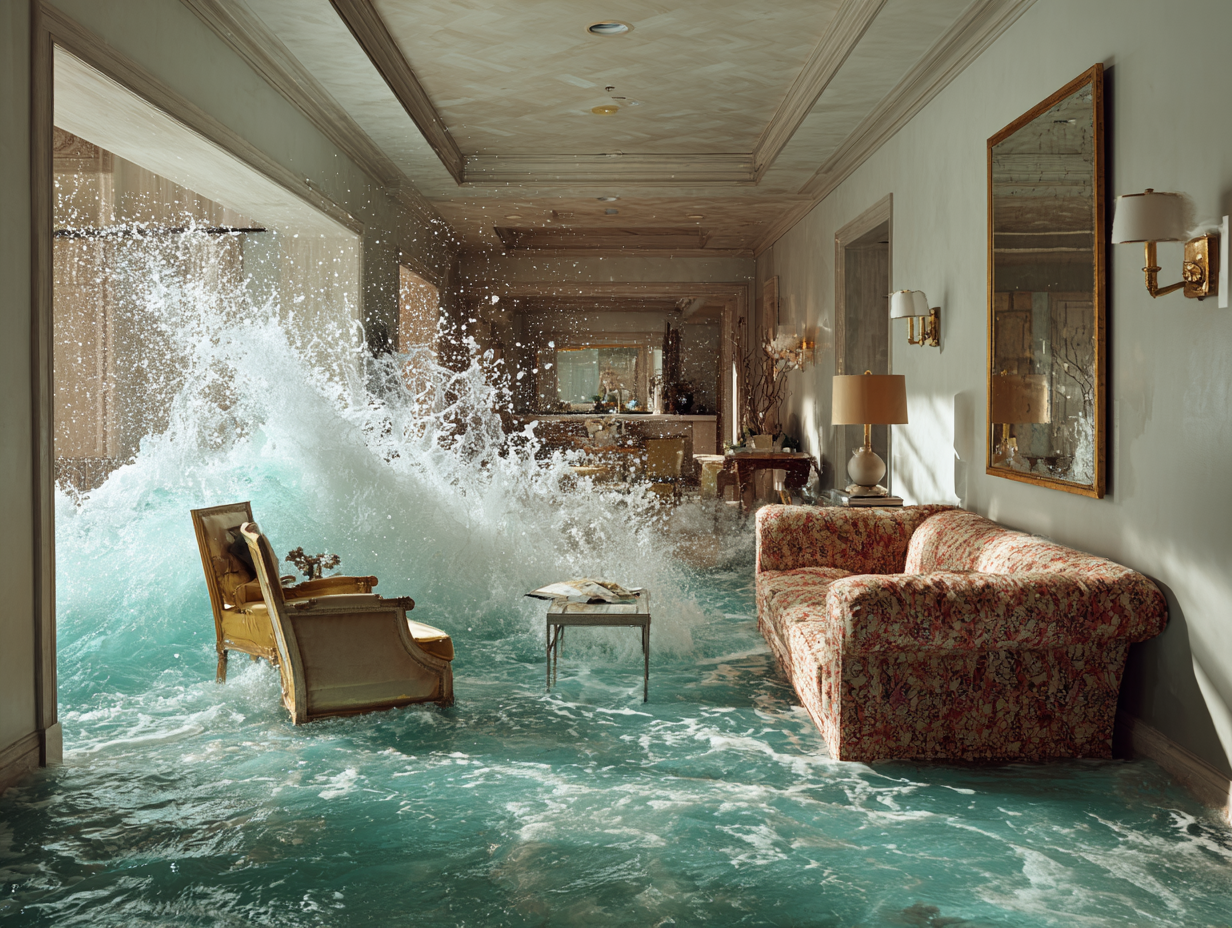
A burst pipe can turn a normal day into a full-blown indoor waterpark disaster in minutes. One second everything is fine, and the next you are sprinting through the house like an action movie extra while water shoots from the ceiling with the confidence of a Vegas fountain show.
If you are dealing with a burst pipe, one of the first questions you will likely ask is:
- Who do I call to repair a burst pipe?
- Who cleans up the water damage?
- Do I call a plumber or a water damage restoration company?
- Will insurance cover burst pipe damage?
The answer is that you may need both a licensed plumber and an emergency water damage restoration company. The plumber stops and repairs the pipe, while the restoration company handles the water extraction, drying, dehumidification, cleanup, and repairs needed to prevent mould and structural damage.
This guide explains:
- What causes burst pipes
- Who to call first
- What to do immediately
- How water damage cleanup works
- How long drying takes
- Insurance considerations
- How to prevent future pipe bursts
Let’s get right into it!
What Is A Burst Pipe?
A burst pipe occurs when a water pipe cracks, splits, or ruptures, releasing water into the property.
Burst pipes commonly affect:
- Basements
- Bathrooms
- Kitchens
- Crawlspaces
- Utility rooms
- Ceilings
- Exterior walls
Even a small pipe crack can release hundreds or thousands of litres of water over time.
According to the Insurance Bureau of Canada, water damage remains one of the leading causes of property insurance claims across Canada, with billions paid annually in losses related to flooding and water-related incidents.
What Causes Pipes To Burst?
Several factors can cause burst pipes.
Frozen Pipes
Frozen pipes are one of the most common causes of pipe bursts in Canada.
When water freezes, it expands inside the pipe. This pressure can crack or rupture plumbing lines.
Frozen pipes commonly occur:
- During extreme cold snaps
- In unheated basements
- In garages
- Near exterior walls
- Inside crawlspaces
Corrosion
Older metal pipes can corrode over time, weakening pipe walls and increasing the risk of rupture.
High Water Pressure
Excessive water pressure places stress on plumbing systems and may eventually cause failures.
Pipe Clogs
Severe blockages can increase internal pressure and contribute to cracking.
Poor Installation
Improper plumbing installation or low-quality materials may increase failure risk.
Foundation Movement
Shifting foundations can place stress on underground and interior plumbing systems.
Sometimes pipes also burst because they are simply old enough to remember when dial-up internet sounded futuristic.
What Should You Do Immediately After A Pipe Bursts?
Acting quickly can significantly reduce water damage.
Shut Off The Main Water Supply
The first step is stopping the water flow.
Most homes have a main shut-off valve located:
- In the basement
- Near the water meter
- In utility rooms
- Near exterior foundations
Turning off the main supply helps prevent additional flooding.
Turn Off Electricity If Necessary
If water is near:
- Electrical outlets
- Appliances
- Electrical panels
…turn off electricity to affected areas if safe to do so.
Never enter standing water around live electrical systems.
Call A Water Damage Restoration Company
After the leak is stopped, a water damage restoration company handles:
- Water extraction
- Structural drying
- Dehumidification
- Moisture inspections
- Mould prevention
- Flood cleanup
- Water damage repairs
Many homeowners mistakenly believe the plumber handles the entire cleanup process.
Unfortunately, most plumbers stop at “water no longer aggressively attacking the building.”
Call A Licensed Plumber
A plumber repairs the broken pipe and restores plumbing function.
The plumber may:
- Replace damaged pipes
- Repair fittings
- Inspect plumbing systems
- Address frozen pipe issues
Who Do You Call First For A Burst Pipe?
If water is actively flooding the property:
- Shut off the water
- Call a plumber
- Call a water damage restoration company like 911 Restoration Niagara.
In many emergency situations, homeowners contact both companies immediately.
Some restoration companies also coordinate directly with plumbers during emergencies.
Why Water Damage Cleanup Matters After A Burst Pipe
Even after the visible water disappears, moisture can remain trapped inside:
- Drywall
- Flooring
- Insulation
- Subfloors
- Wood framing
- Cabinets
Without proper drying:
- Mould can grow
- Materials can warp
- Structural damage can worsen
- Air quality can decline
According to the Environmental Protection Agency (EPA), mould can begin growing within 24 to 48 hours under the right moisture conditions.
What Does A Water Damage Restoration Company Do?
Professional restoration companies use specialized equipment and moisture detection tools to dry affected areas properly.
Water Extraction
Industrial pumps and vacuums remove standing water quickly.
Moisture Detection
Technicians use:
- Moisture meters
- Thermal imaging cameras
- Hygrometers
…to identify hidden moisture behind walls and under flooring.
Structural Drying
Commercial air movers and dehumidifiers dry structural materials.
Mould Prevention
Proper drying helps reduce mould growth risk.
Sanitization And Cleaning
Affected areas may require antimicrobial treatments and deep cleaning.
Repairs And Reconstruction
Some companies also repair:
- Drywall
- Flooring
- Trim
- Cabinets
- Ceilings
How Long Does It Take To Dry Water Damage After A Burst Pipe?
Drying time depends on:
- Severity of flooding
- Type of materials affected
- Humidity levels
- Temperature
- Speed of response
Typical drying times range from:
- Several days
- Up to one week or longer
Professional drying equipment significantly accelerates the process.
Signs Of Hidden Water Damage After A Pipe Burst
Water damage is not always visible immediately.
Common signs include:
- Musty odours
- Bubbling paint
- Warped flooring
- Soft drywall
- Ceiling stains
- Swelling baseboards
- Increased humidity
- Mould growth
Hidden moisture can continue damaging materials long after the original leak stops.
Can A Burst Pipe Cause Mould?
Yes, absolutely.
Mould thrives in damp environments and commonly develops after untreated water damage.
Mould may grow:
- Behind drywall
- Under flooring
- Inside insulation
- Around framing
- In ceilings
This is why immediate drying is critical after a burst pipe.
Because once mould moves in, it behaves less like a guest and more like a tiny fungal squatter demanding permanent residency behind your walls.
Does Insurance Cover Burst Pipe Damage?
Many Canadian homeowner insurance policies may cover sudden and accidental water damage from burst pipes.
Coverage often depends on:
- Cause of the burst
- Maintenance history
- Policy details
- Whether negligence was involved
Insurance may cover:
- Emergency mitigation
- Water extraction
- Drying
- Repairs
- Damaged materials
However, gradual leaks and neglected maintenance issues may not always be covered.
Always review your specific policy carefully.
How To Prevent Pipes From Bursting
Prevention is far easier and cheaper than emergency restoration.
Insulate Pipes
Pipe insulation helps reduce freezing risk.
Keep Indoor Temperatures Stable
Avoid allowing indoor temperatures to drop too low during winter.
Let Faucets Drip During Extreme Cold
Slow-moving water may help reduce freezing pressure buildup.
Seal Drafts
Cold air entering around windows, foundations, or utility penetrations can increase freezing risk.
Schedule Plumbing Inspections
Regular inspections help identify:
- Corrosion
- Weak fittings
- Pressure problems
- Aging pipes
Install Smart Leak Detection Devices
Modern leak sensors can alert homeowners to water leaks before major flooding occurs.
Common Areas Where Pipes Burst
Burst pipes commonly occur:
- Under sinks
- In basements
- Behind walls
- In attics
- Near water heaters
- In crawlspaces
- Along exterior walls
Older homes may face increased risk due to aging plumbing systems.
Burst Pipe Water Damage And Health Risks
Standing water can create multiple health concerns.
Potential hazards include:
- Mould exposure
- Bacteria growth
- Air quality issues
- Slip hazards
- Electrical dangers
Contaminated water from sewage backups or floodwater may also introduce biohazards.
Why Fast Response Matters
The faster professionals begin mitigation:
- The lower the repair costs
- The lower the mould risk
- The less structural damage occurs
Delaying cleanup often increases:
- Drywall replacement
- Flooring damage
- Odour problems
- Reconstruction costs
Water damage spreads surprisingly fast.
A small pipe burst can escalate from “minor inconvenience” to “indoor swamp documentary” remarkably quickly.
How To Choose A Water Damage Restoration Company
Look for companies that offer:
- 24/7 emergency service
- Certified technicians
- Commercial drying equipment
- Direct insurance billing
- Moisture inspections
- Reconstruction services
Experience with burst pipe cleanup specifically is important.
Questions To Ask A Restoration Company
Important questions include:
- How quickly can you respond?
- Do you work with insurance companies?
- Do you use moisture meters?
- How long will drying take?
- Will you remove damaged materials?
- Do you provide mould remediation if needed?
Why Professional Drying Equipment Matters
Household fans alone are rarely enough after major flooding.
Professional restoration companies use:
- High-capacity air movers
- Commercial dehumidifiers
- HEPA filtration systems
- Moisture mapping tools
These systems accelerate drying and help prevent secondary damage.
Conclusion
A burst pipe can cause major water damage within minutes, but acting quickly can significantly reduce repair costs and long-term structural issues. In most cases, homeowners should contact both a licensed plumber and a professional water damage restoration company.
The plumber repairs the broken pipe, while the restoration company handles:
- Water extraction
- Structural drying
- Moisture detection
- Cleanup
- Repairs
- Mould prevention
Fast action is critical because hidden moisture can continue damaging the property long after visible water disappears.
Whether the burst pipe happened during a winter freeze, plumbing failure, or because your aging pipes finally decided they had endured enough of modern civilization, professional mitigation and drying remain the safest way to protect your property and health.
If you have any questions about our article "Pipe Burst: Who Do I Call To Repair And Clean Water?" or need pipe burst repair and cleanup contact us at 911 Restoration Niagara.
Who Do I Call To Repair And Clean Water?
FAQs
Who Do I Call First For A Burst Pipe?
First shut off the water supply, then contact a licensed plumber and a water damage restoration company.
Can A Plumber Clean Up Water Damage?
Most plumbers repair the pipe itself, while restoration companies handle water extraction, drying, and repairs.
How Quickly Should Water Damage Be Dried?
Professional drying should begin as quickly as possible to reduce mould and structural damage risks.
Can A Burst Pipe Cause Mould?
Yes. Mould can begin growing within 24 to 48 hours under moist conditions.
Does Home Insurance Cover Burst Pipe Damage?
Many policies cover sudden and accidental water damage, but coverage varies by policy and cause.
How Long Does Water Damage Restoration Take?
Drying may take several days to over a week depending on severity and material saturation.
What Happens If Water Gets Behind Walls?
Hidden moisture can lead to mould, rot, and structural deterioration if not dried properly.
Should Drywall Be Removed After A Burst Pipe?
Sometimes. Severely saturated drywall may require removal depending on contamination and drying conditions.
Can Frozen Pipes Burst Even After Thawing?
Yes. Cracks formed during freezing may leak or burst after thawing occurs.
How Can I Prevent Pipes From Bursting In Winter?
Pipe insulation, stable indoor temperatures, plumbing inspections, and sealing drafts all help reduce freezing risks.
Latest Posts




Contact Us
For Advice
Need help? Talk to an expert
289-271-0090